
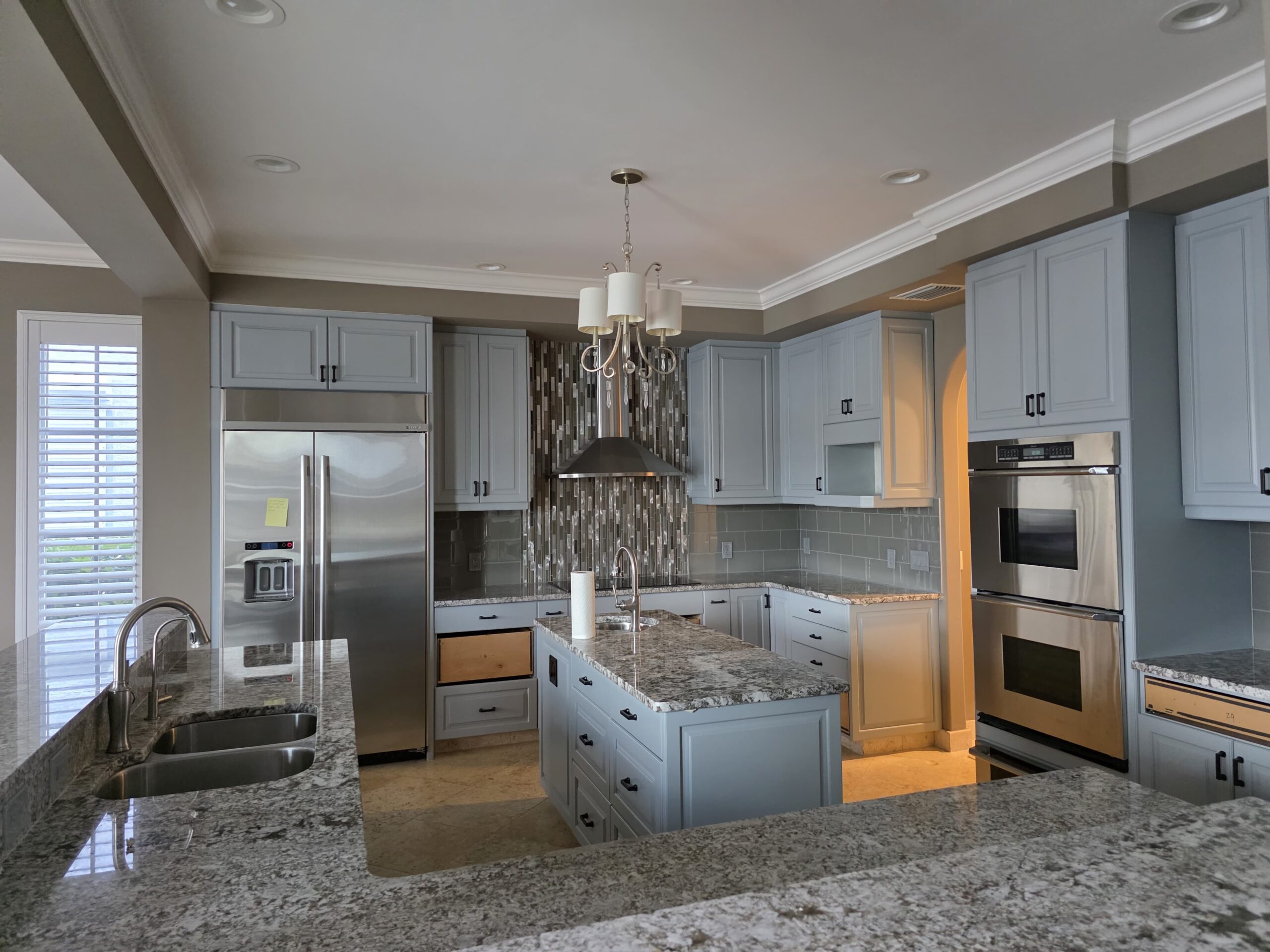
01 Dec 10 Secrets for a Bright and Functional Kitchen
The kitchen is the heart of the home. It’s where we prepare meals, share coffee, and create memories. But poor kitchen lighting can turn this vital space into an uninviting and even unsafe place. Does your kitchen feel like it needs a bath of light? Don’t worry, transforming it is easier than you think. In this article, we reveal professional secrets for achieving perfect kitchen lighting that combines functionality, style, and warmth.
Why is Good Kitchen Lighting So Crucial?
Beyond aesthetics, adequate lighting in the kitchen is essential for:
- Safety: Chopping, peeling, and cooking with insufficient light increases the risk of accidents.
- Functionality: Seeing food colors and the state of your cookware clearly is fundamental.
- Well-being: A well-lit space improves mood and productivity.
The Master Plan: The 3 Layers of Light Your Kitchen Needs
The most common mistake is relying on a single central light. The key to success lies in combining three layers:
1. General or Ambient Lighting
This is the primary light that floods the entire room. It usually comes from:
- Flush mounts or downlights in the ceiling: Install several recessed LED spots to avoid shadows. If you have a low ceiling, flush mounts are perfect.
- Ceiling lights or directional spotlights: Ideal for kitchens with an island or for highlighting specific areas.
Pro Tip: Use neutral white LED lights (between 3500K and 4500K). They offer a clear, sharp light, perfect for a work environment like the kitchen.
2. Task Lighting (The Most Important Layer!)
This is the layer that makes all the difference. It’s placed in key work areas to eliminate shadows completely.
- Under upper cabinets: Install LED strips or thin fluorescents under the wall cabinets. This will directly illuminate the countertop, where you need it most.
- Over the stove and sink: Small spotlights or range hoods with integrated light are essential.
3. Accent or Decorative Lighting
This layer adds personality and warmth, creating a cozy ambiance when the main work is done.
- Lights in open shelving: Install discreet LED strips inside glass-front cabinets or on open shelves to highlight your dishes.
- LED strip under the base cabinets: Creates a modern “floating” effect that adds a design touch and works as a soft night light.
Foolproof Tricks to Multiply Light Instantly
- Light-Colored Walls and Cabinets: Light colors (white, beige, light gray) reflect up to 80% more light than dark ones.
- Glossy Surfaces: A polished quartz or marble countertop, or glossy tiles, help reflect light.
- Harness Natural Light!: Keep the window clear and use light curtains or shades that allow maximum sunlight to pass through.
- Dimmers: Install dimmers for the general and ambient lighting. They will allow you to soften the light for a romantic dinner or maximize it for a deep clean.
Common Mistakes You Must Avoid
- A single central light: Creates annoying shadows in every corner.
- Incorrect color temperature: Lights that are too warm (yellowish) can distort food colors. Lights that are too cool (bluish) feel cold and impersonal. Neutral white is the perfect balance.
- Forgetting about shadows: Always plan your lighting thinking about where your body will block the light. This is why under-cabinet lighting is crucial.
Conclusion: Your Bright Kitchen Awaits
Achieving a bright and functional kitchen is within your reach. It’s not just about installing more bulbs, but about applying a layered lighting strategy. Combine general light, essential task lighting, and a decorative touch to transform your kitchen into a safe, efficient, and welcoming space.
Ready to take the next step? Share in the comments which of these tips you’ll try first or what your biggest kitchen lighting challenge is!